
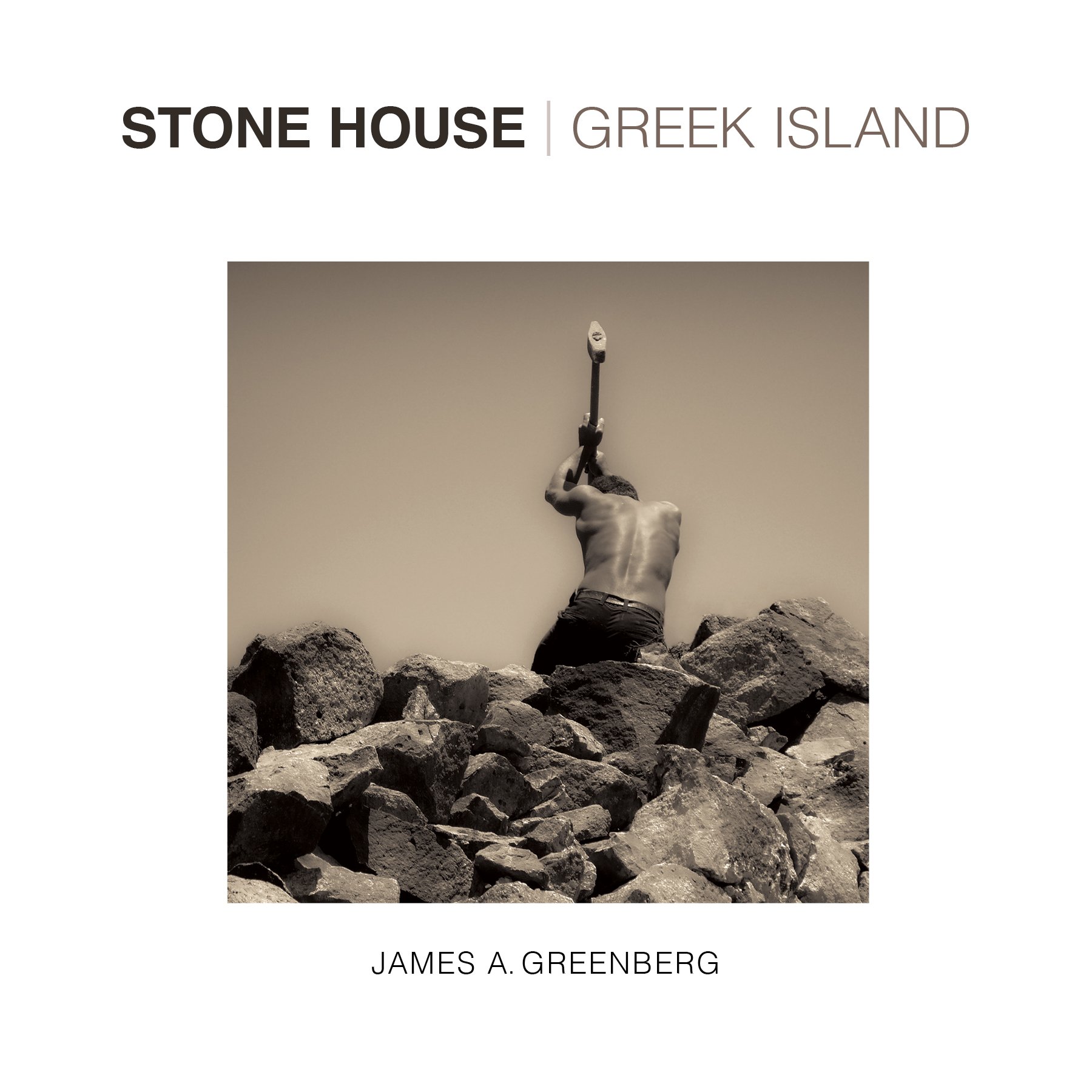
STONE HOUSE | GREEK ISLAND
Photographs and essays by James A. Greenberg
Coffee table book, twelve by twelve and one-half inch, two hundred pages in length
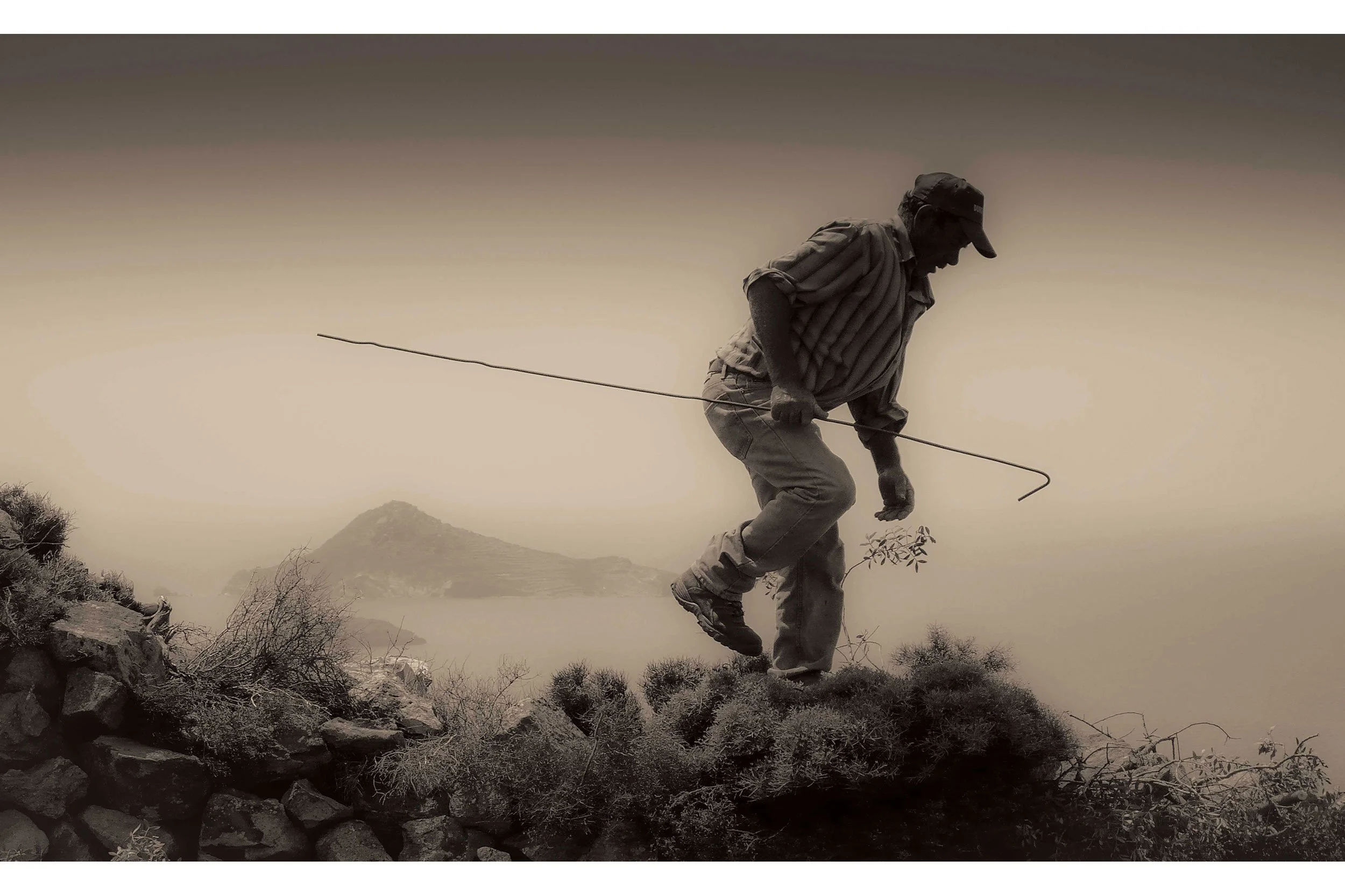
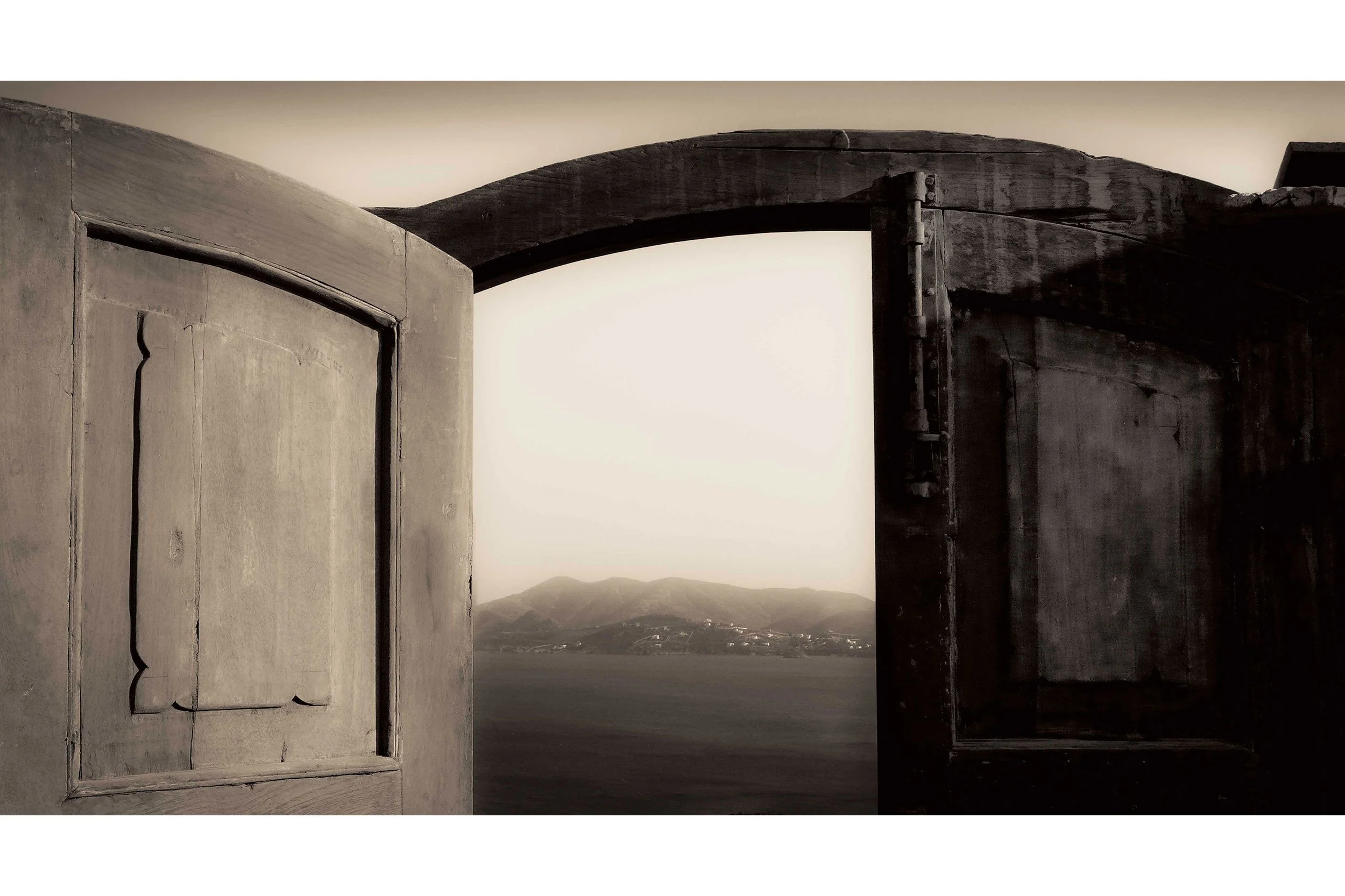
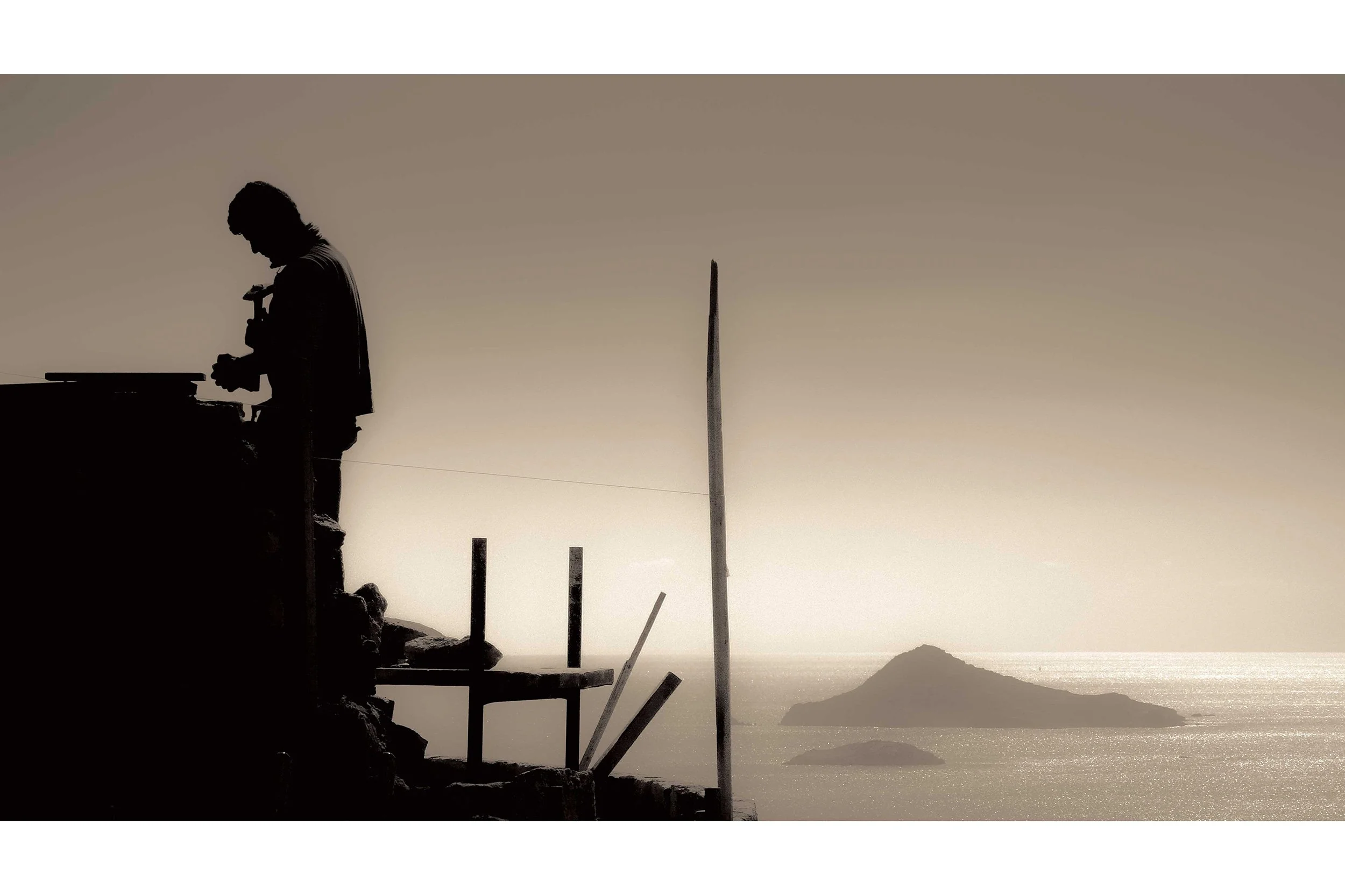
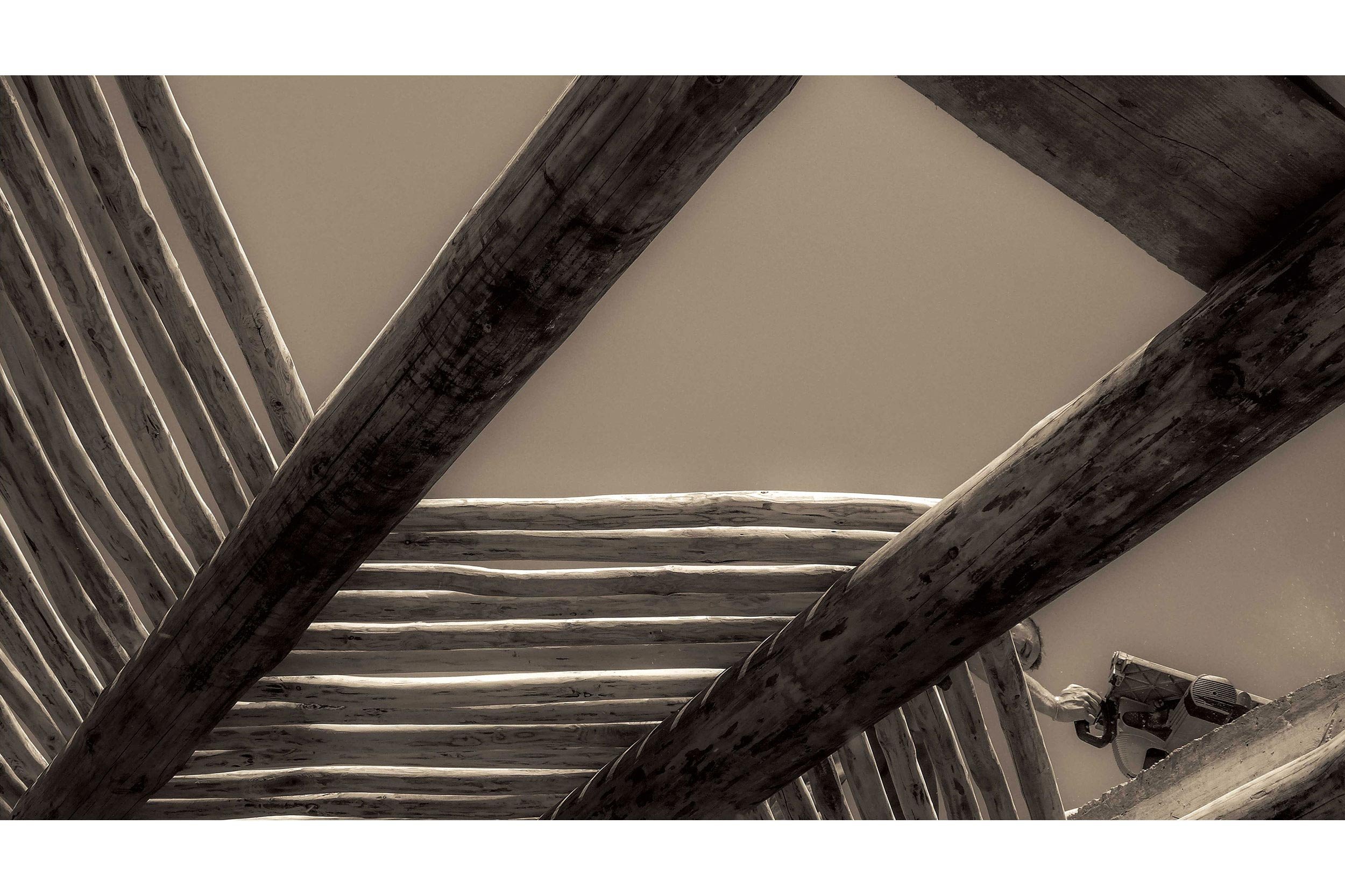
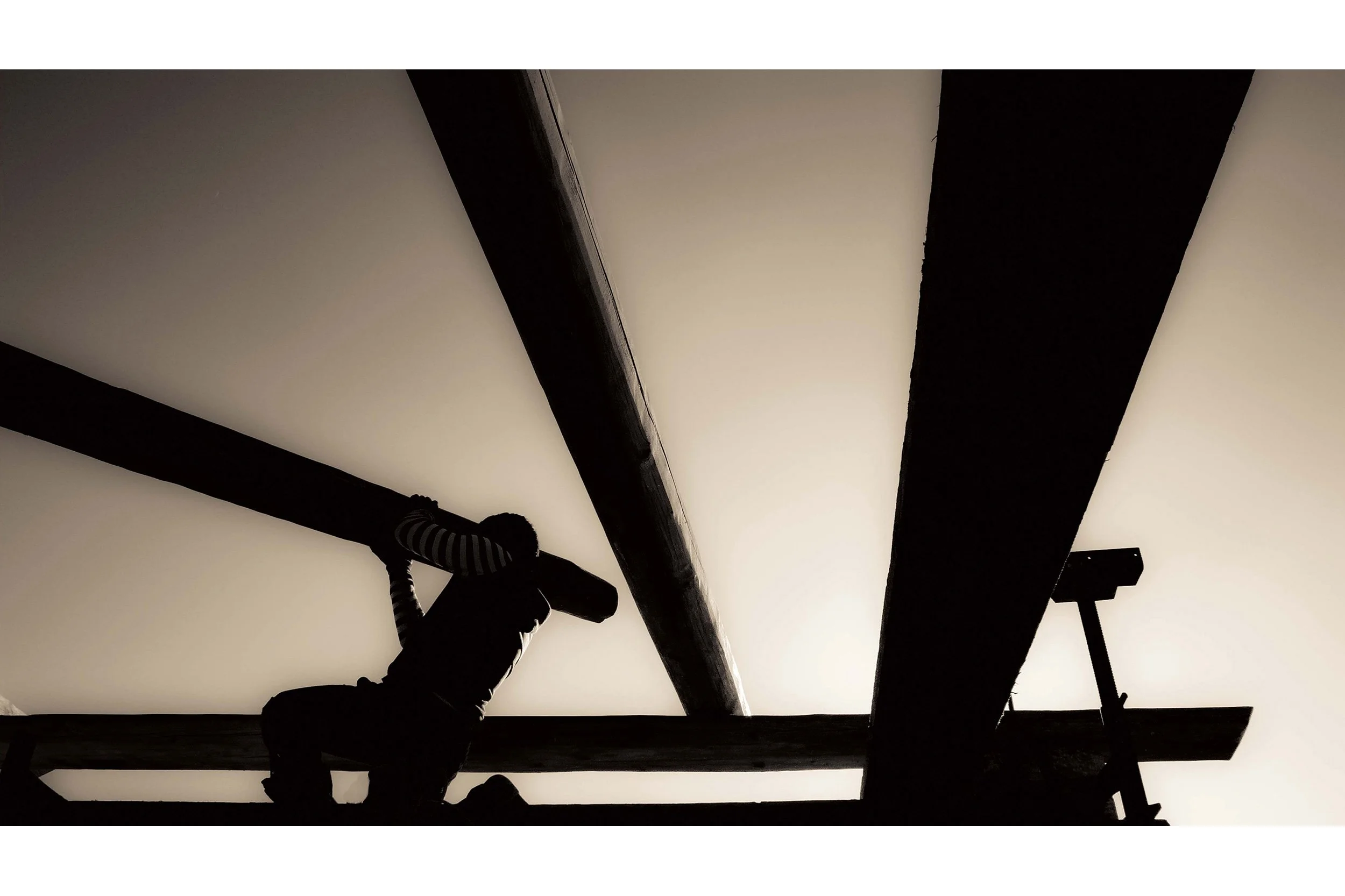
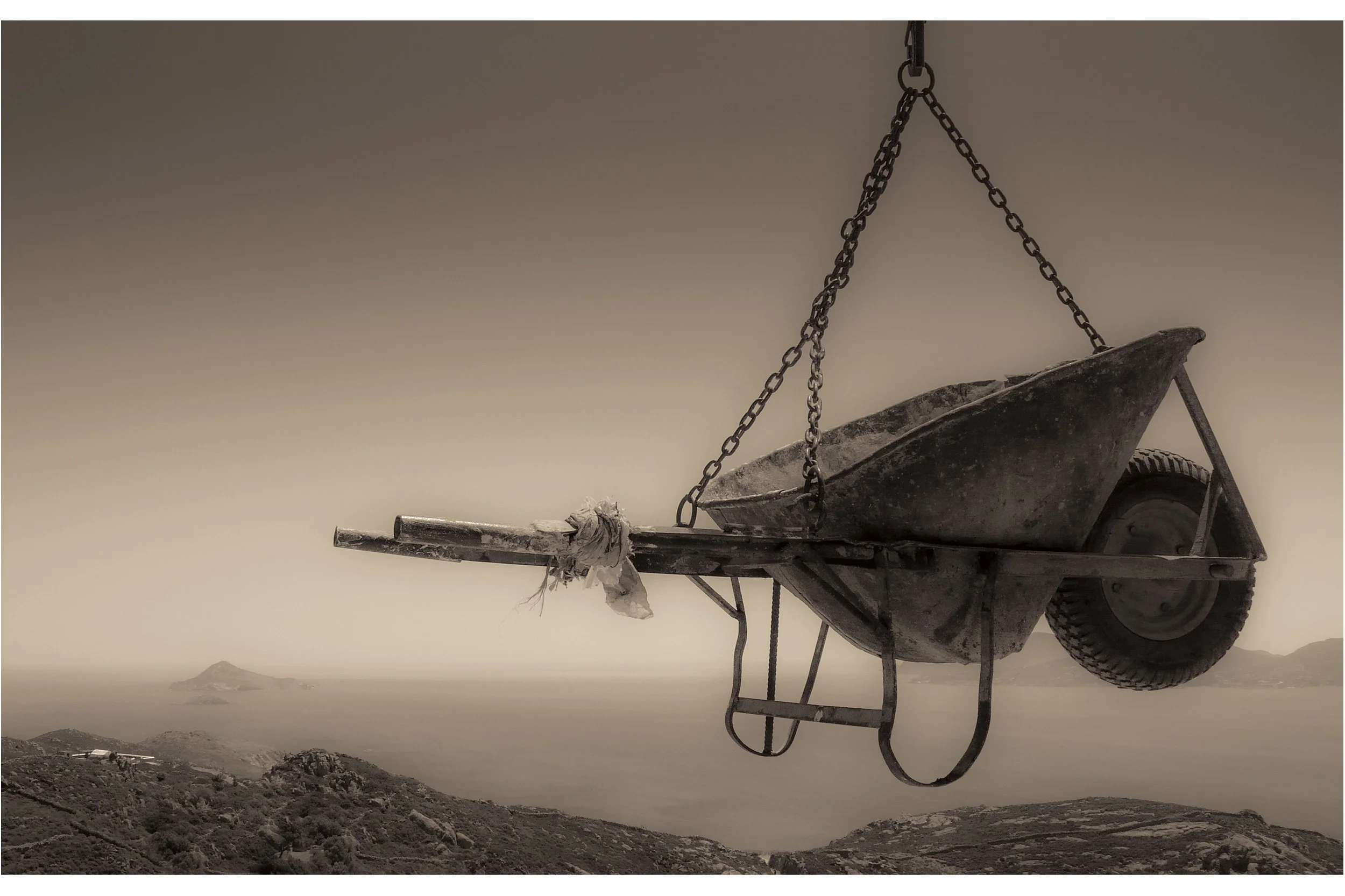
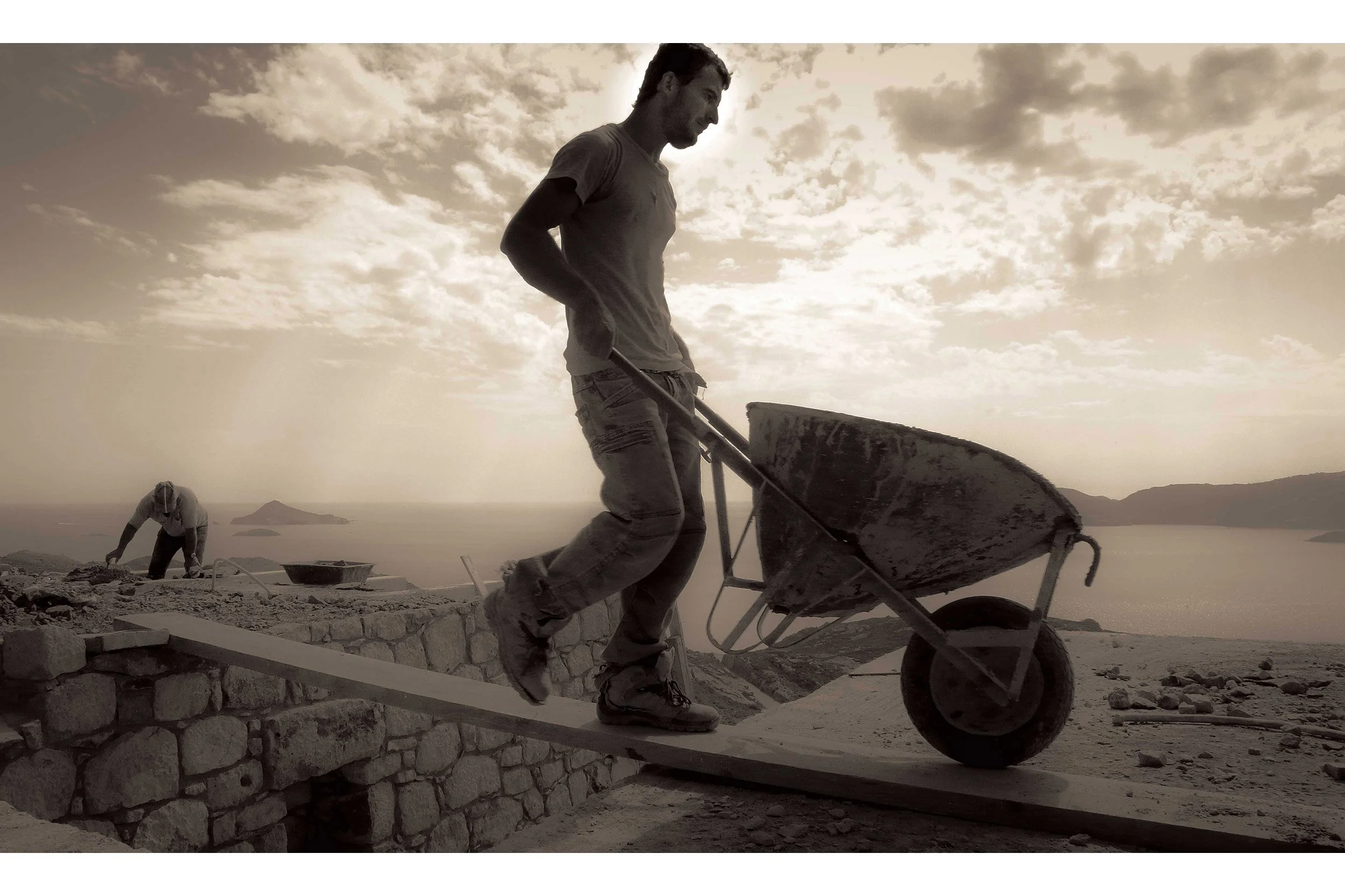
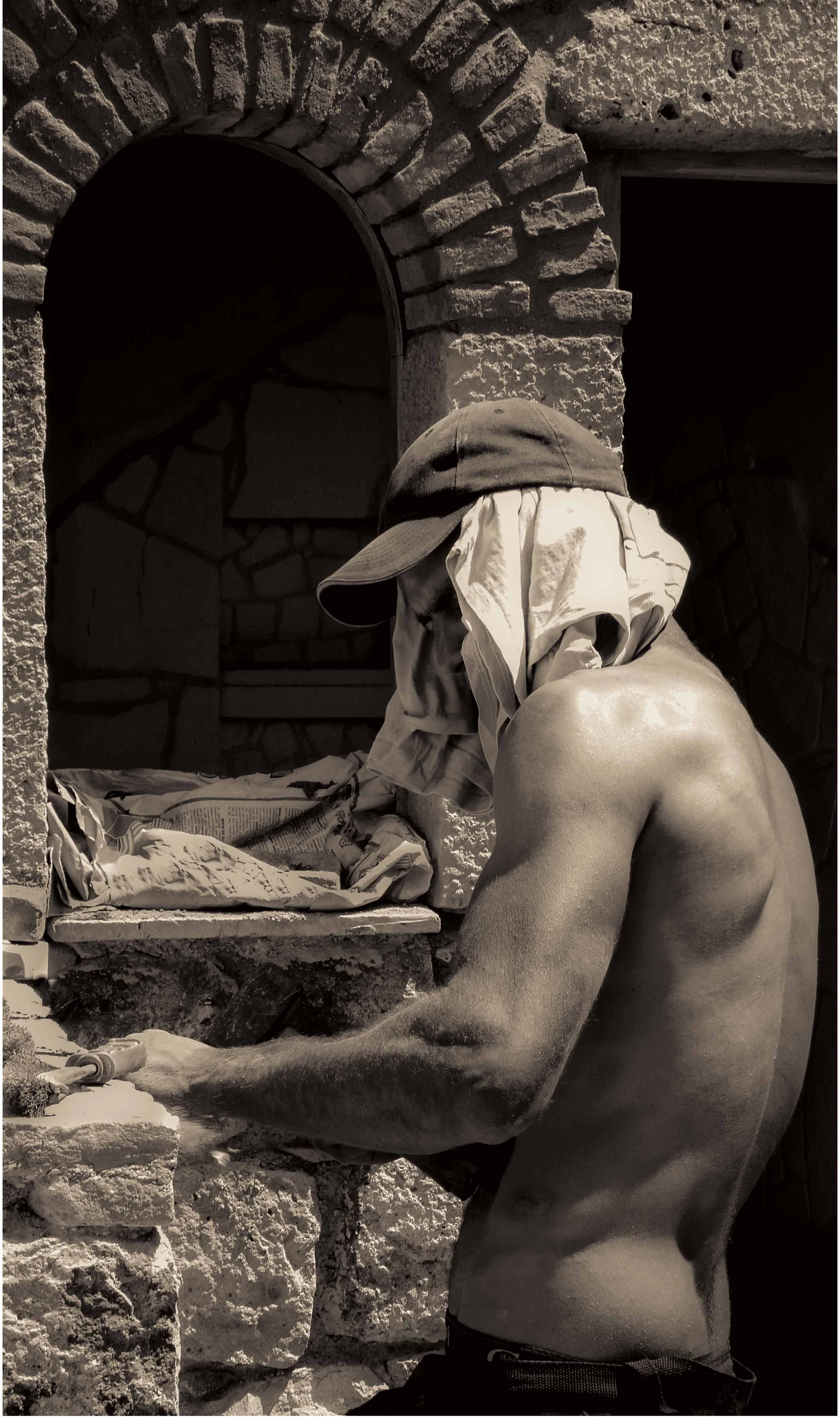
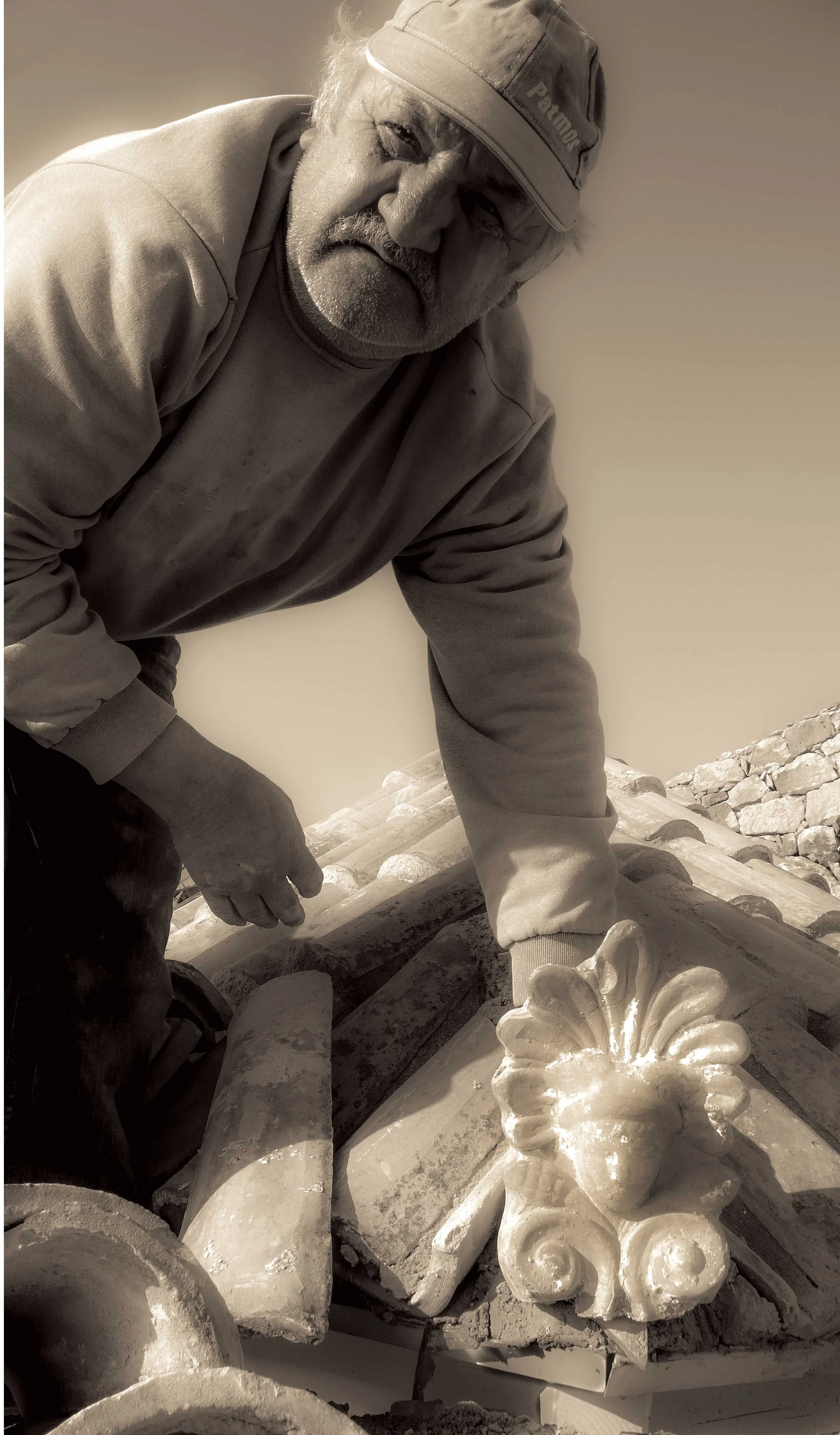
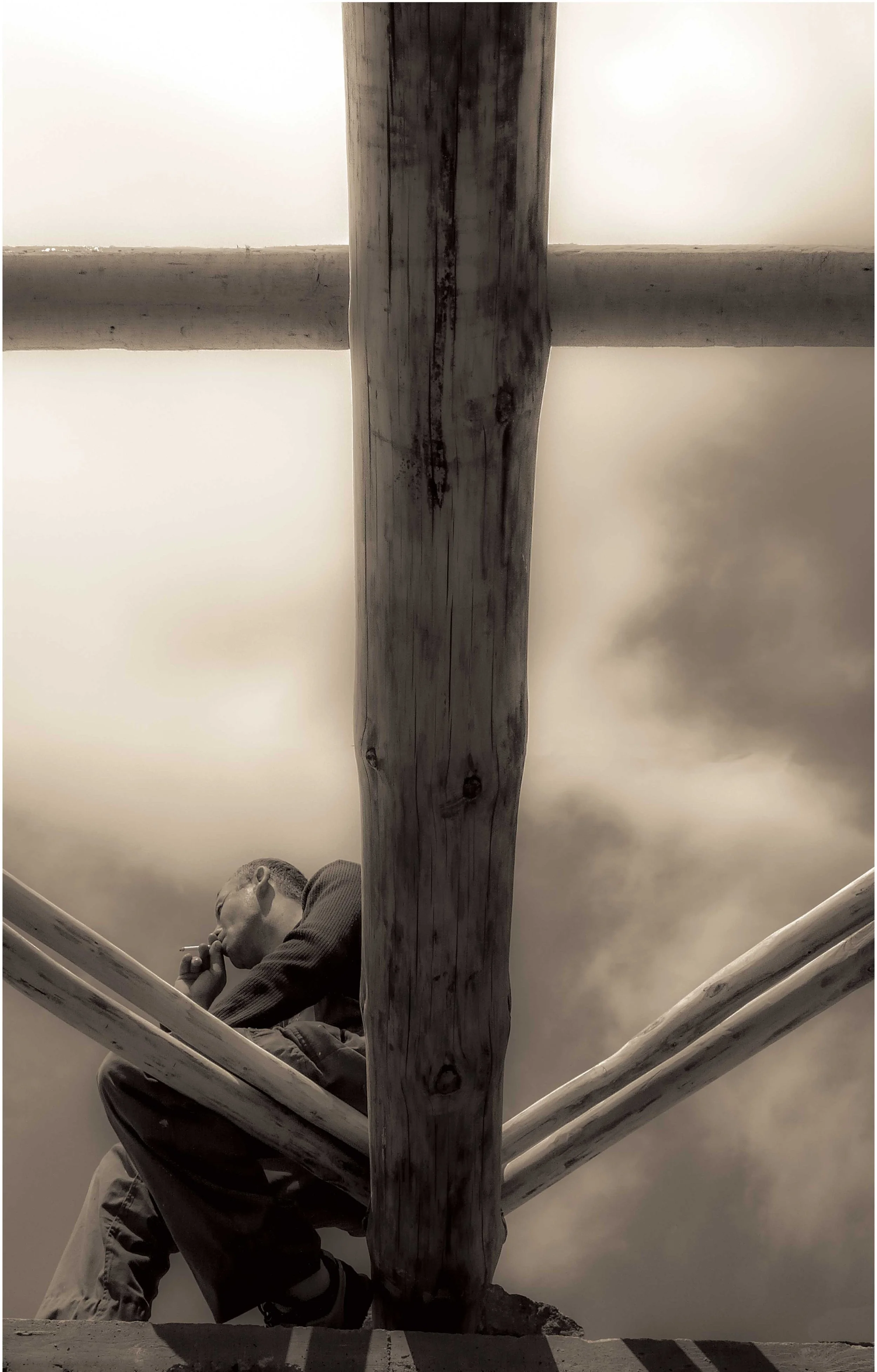
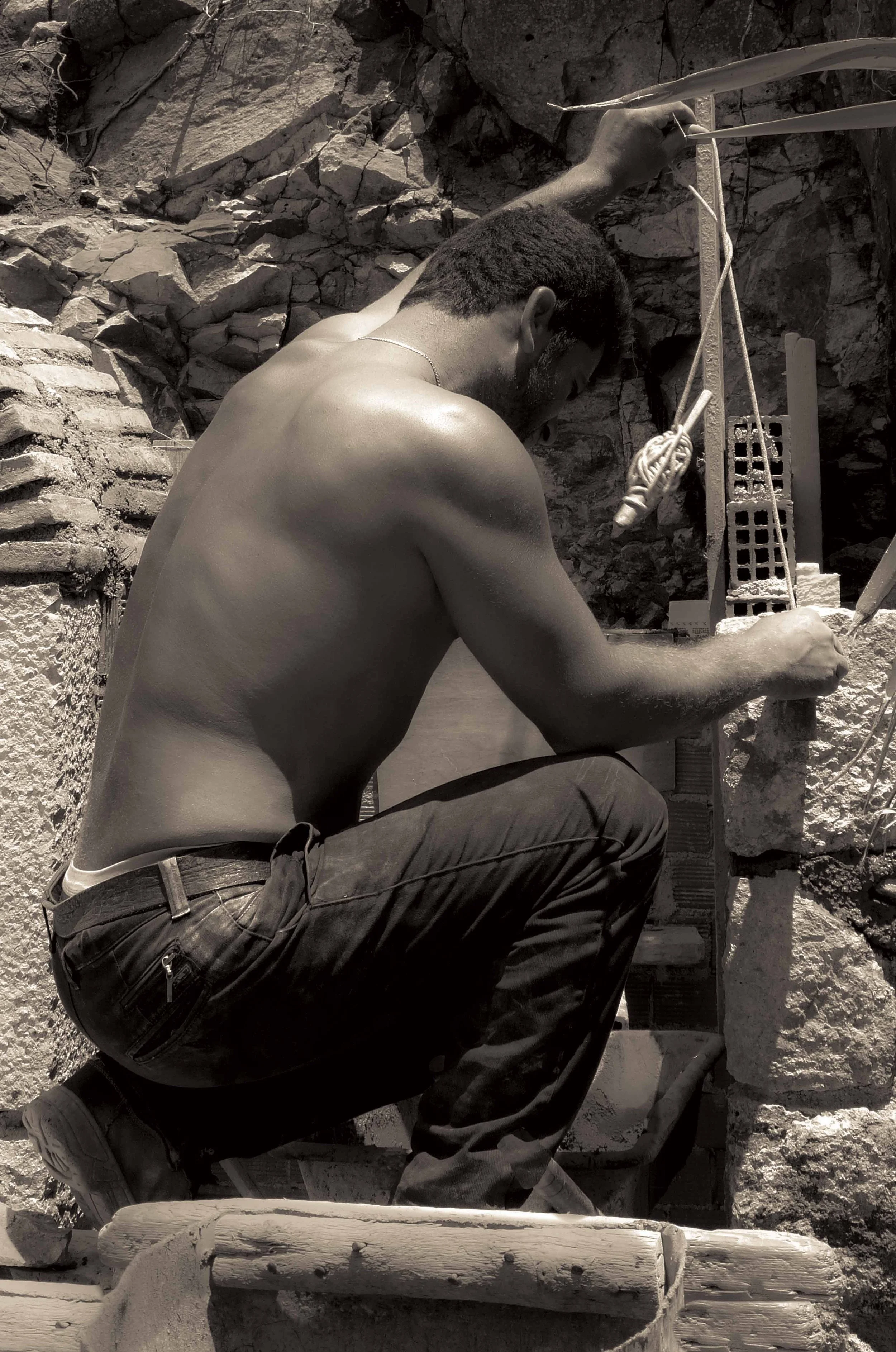
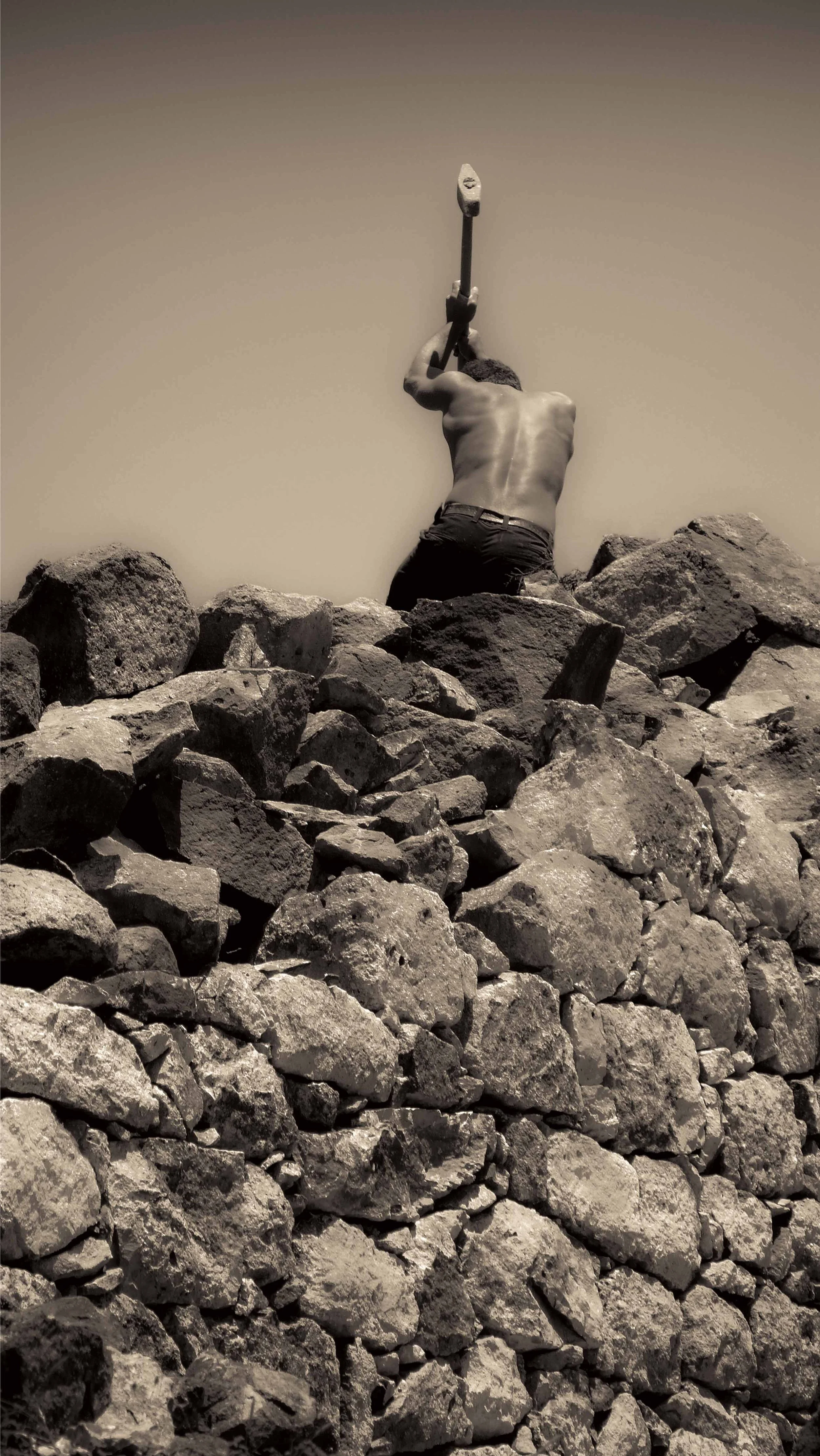
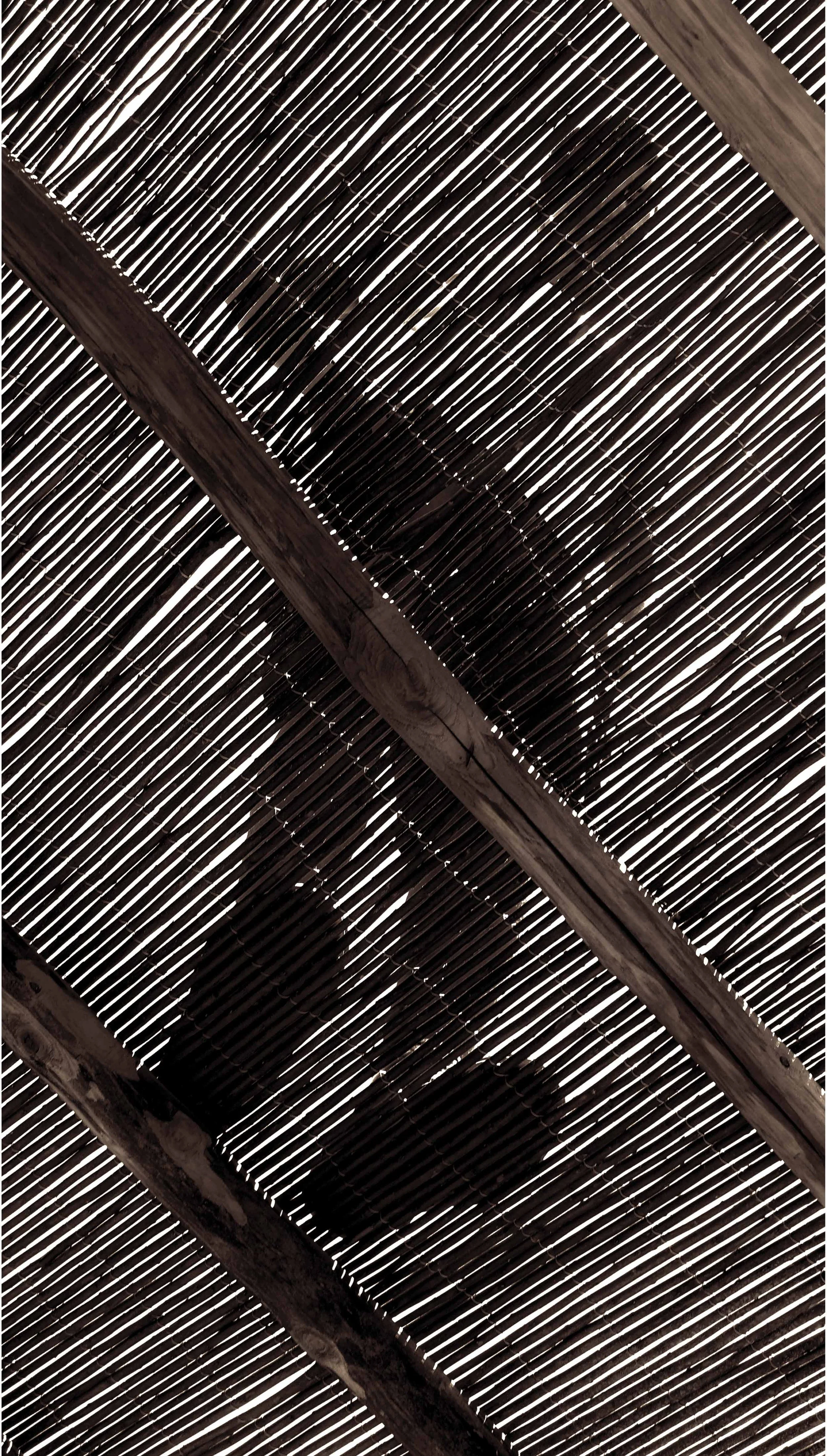
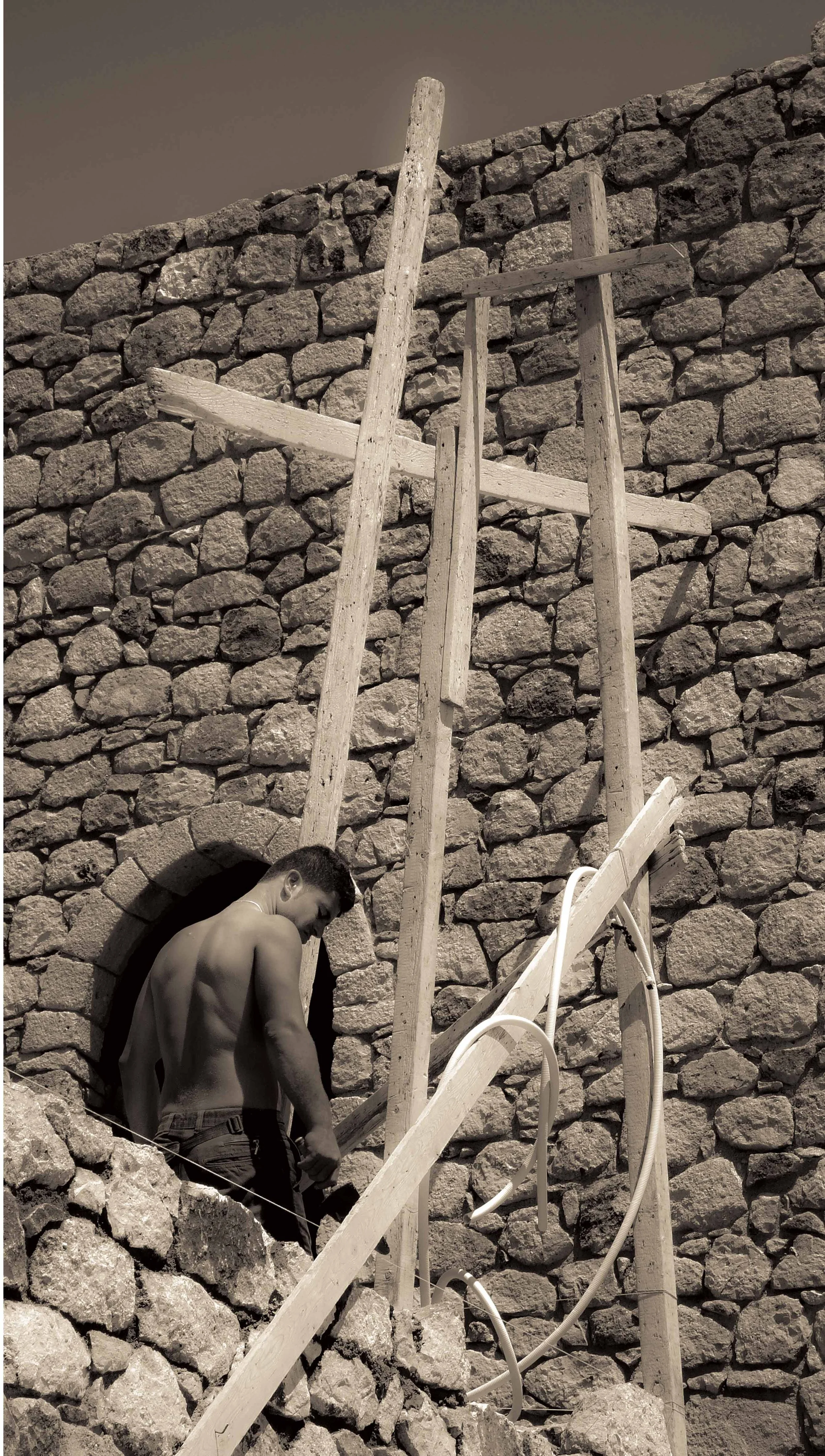
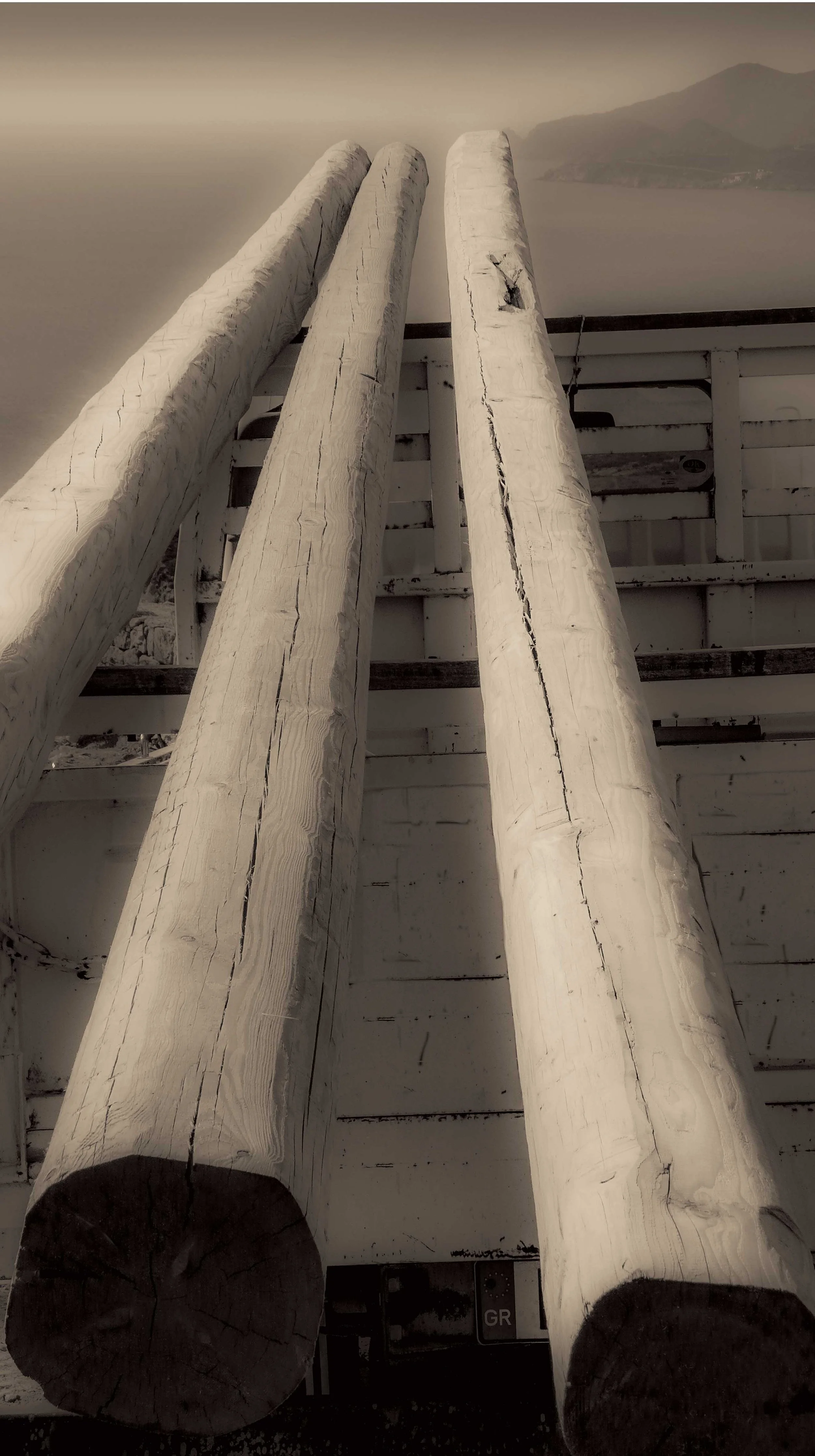
Eighty-eight photographs chronicling the four-year-long experience of building a stone house on the small Greek island of Patmos
Four anecdotal essays dealing with the principles of Destruction, Obsession, Surrender, and Chance, and how they shaped the creative act of designing and building a home
First edition limited to five hundred copies
Gallery
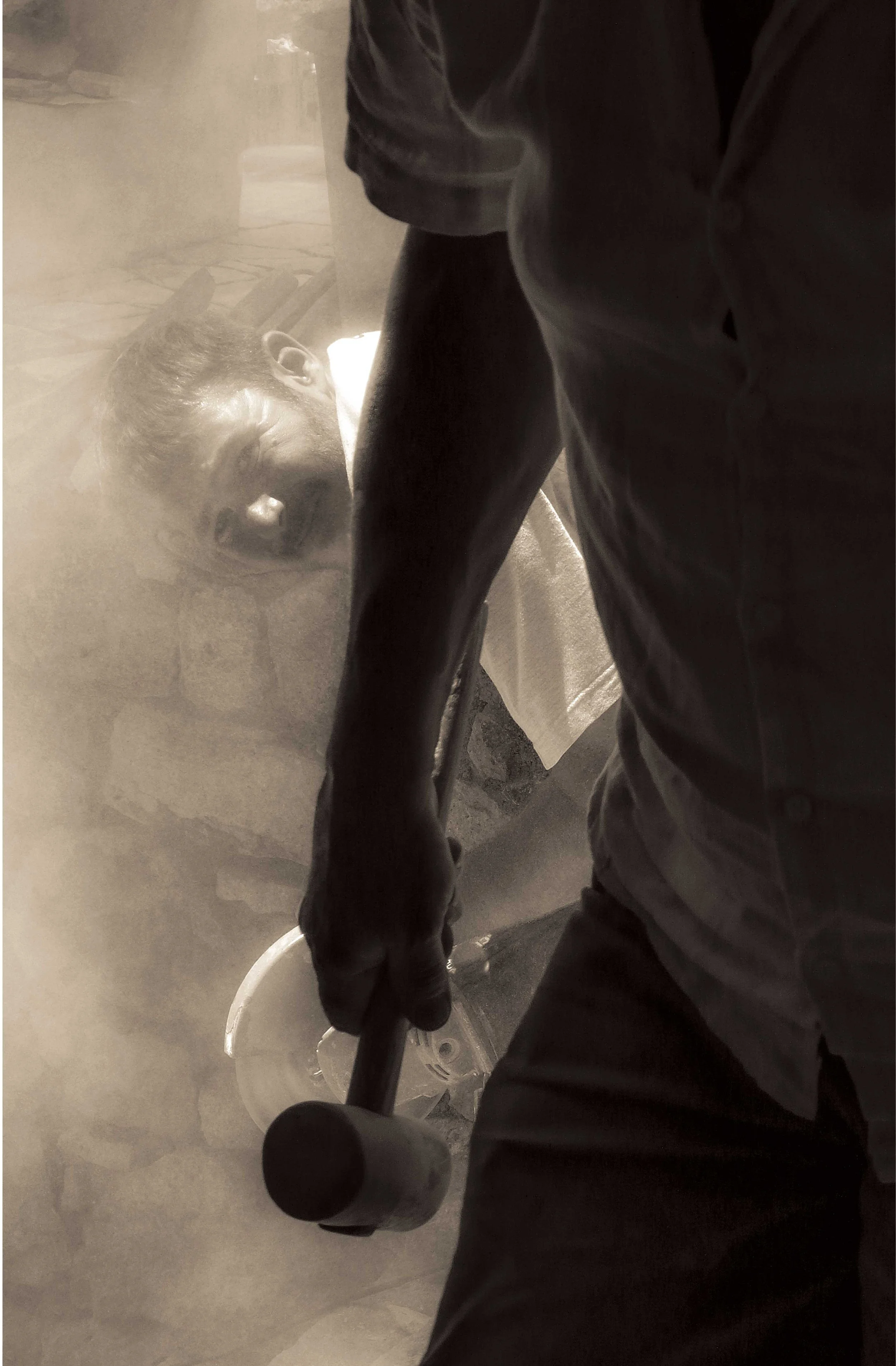
The Book
STONE HOUSE | GREEK ISLAND
Photos and Essays by James A. Greenberg
Foreword by Dinos Siotis, President of the Greek Society of Poets
Afterword, “Biography of a Home,” by Andreas Theodoridis, Lefteris Vergerakis, and Penny Chorafa
Production Whiz-kid and IP Expert: Costis Akritidis
Edited by Sofia Greenberg
Graphic Design by Kelly Pasholk, thebookstylist.com
Printed in Athens Greece by K. Pletsas – Z. Kardaris
Offset Printed on 150gr Tatami white paper
Cotton Cloth Bound by Bibliodetiki Attica
Library of Congress Control Number: 2023908840
ISBN: 978-618-00-4097-5
Retail $75 USD
Cloth bound hard cover with embossed matte foil
Dust Jacket
Dust Jacket Verso
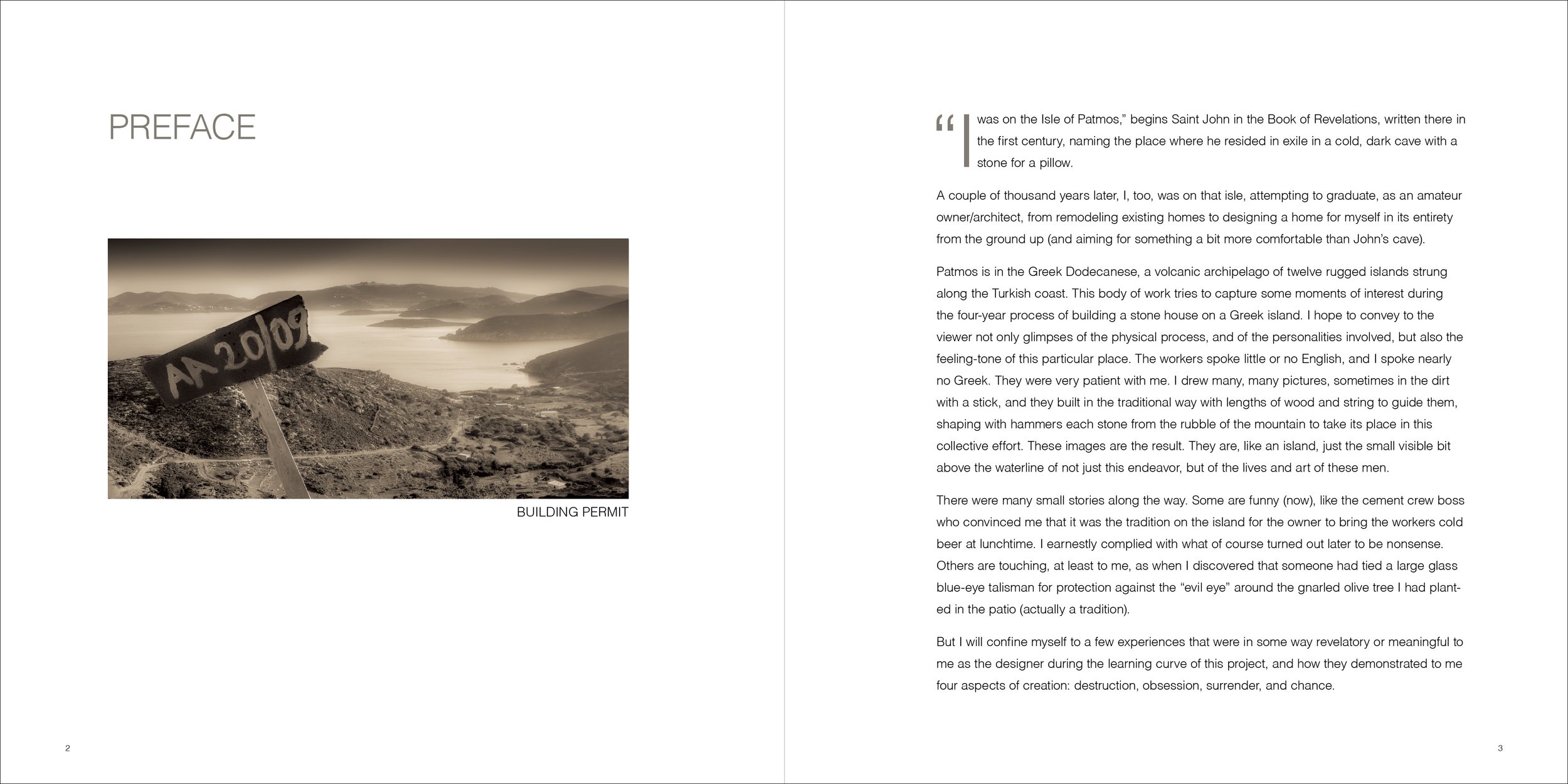
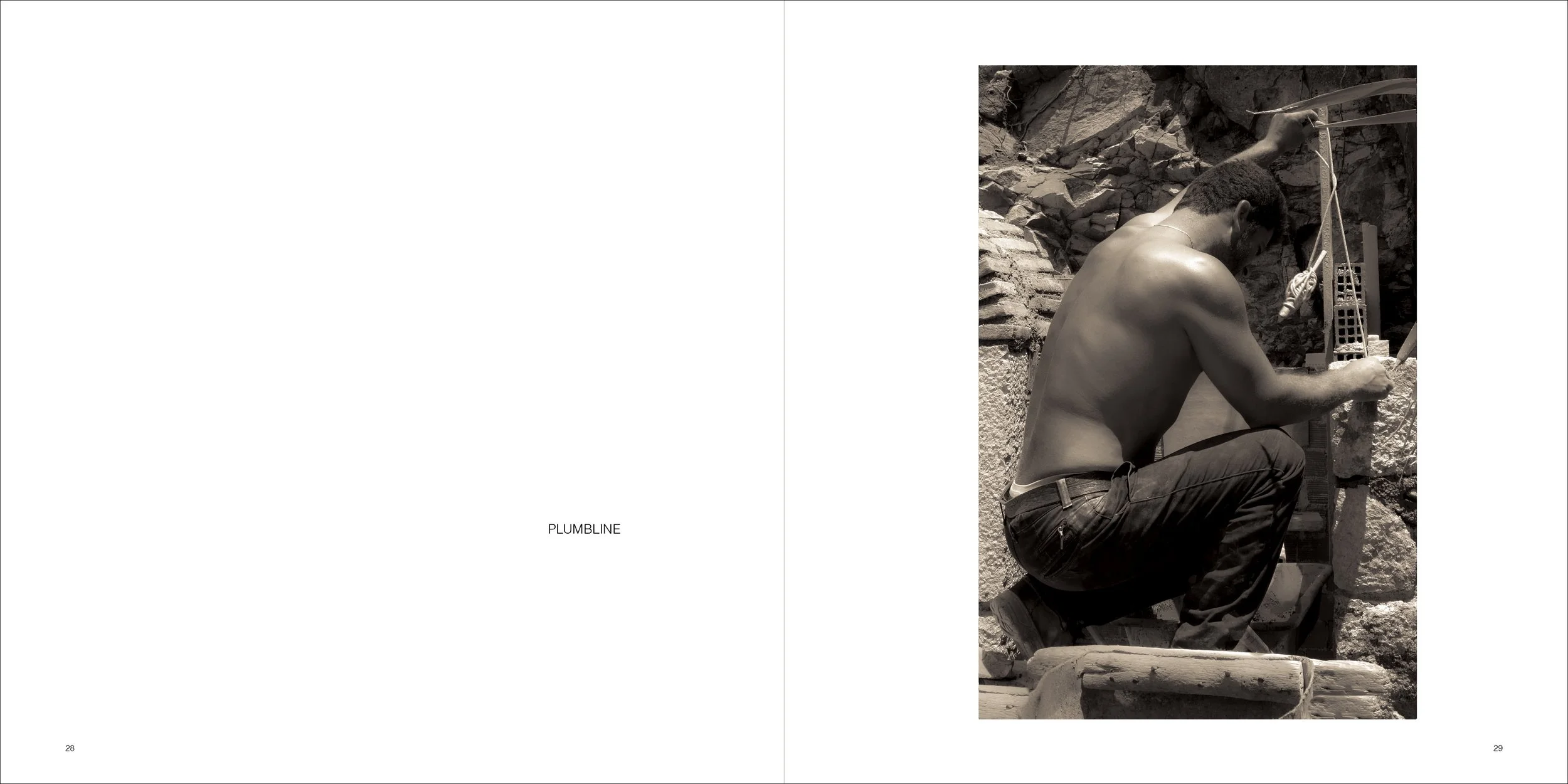
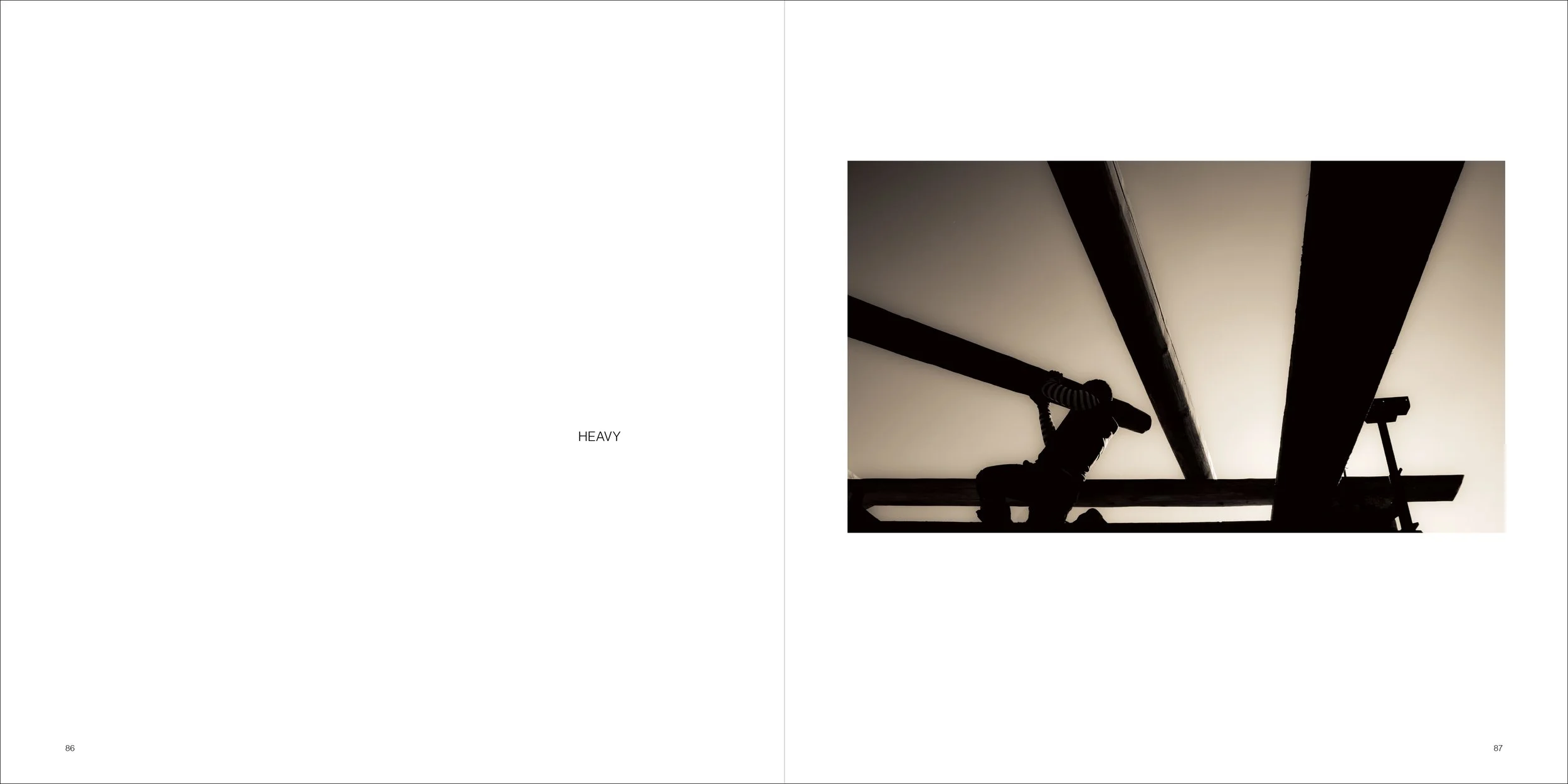
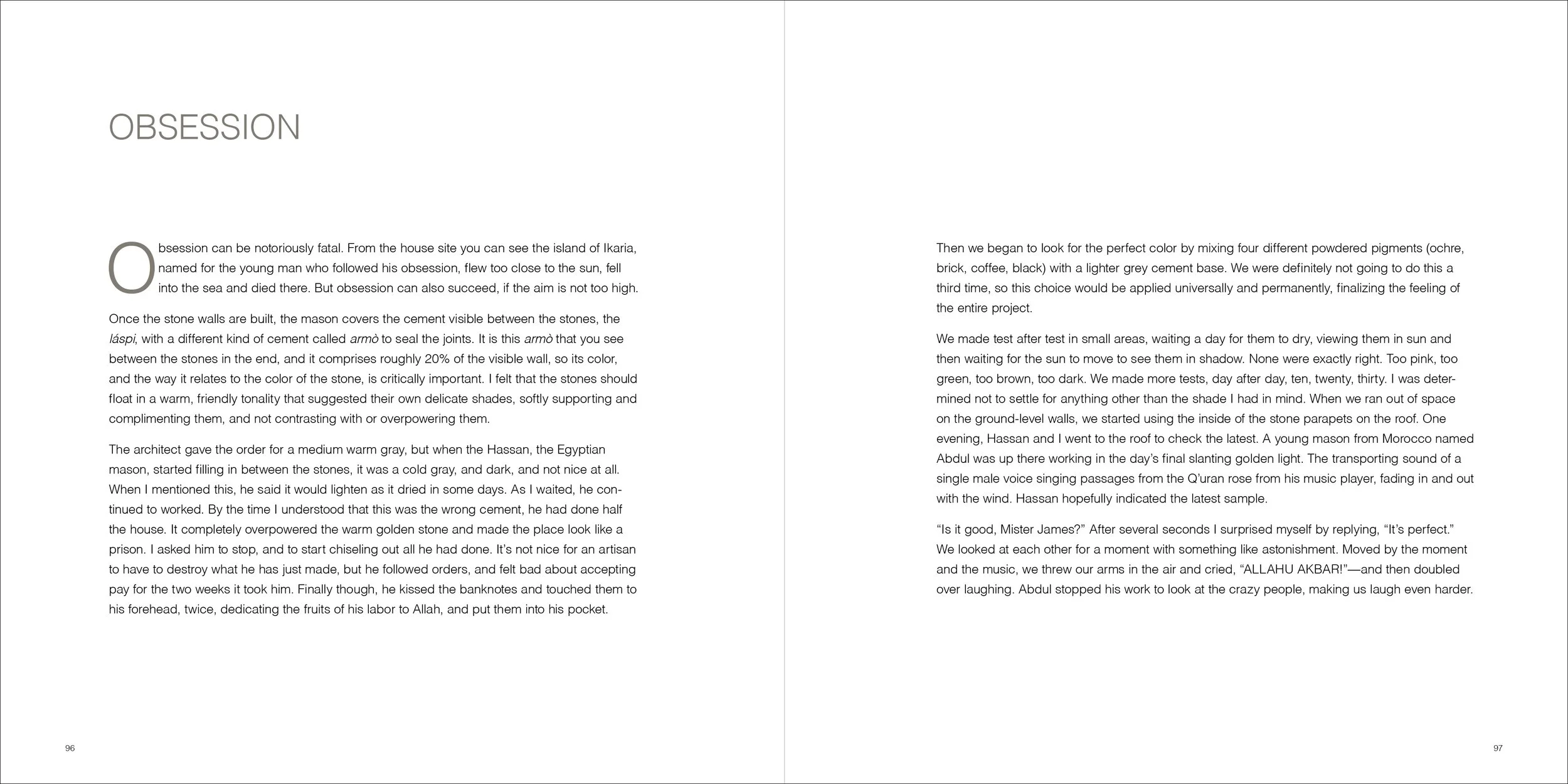
Interior layout examples
Click thumbnail or directional arrow to see the next page.
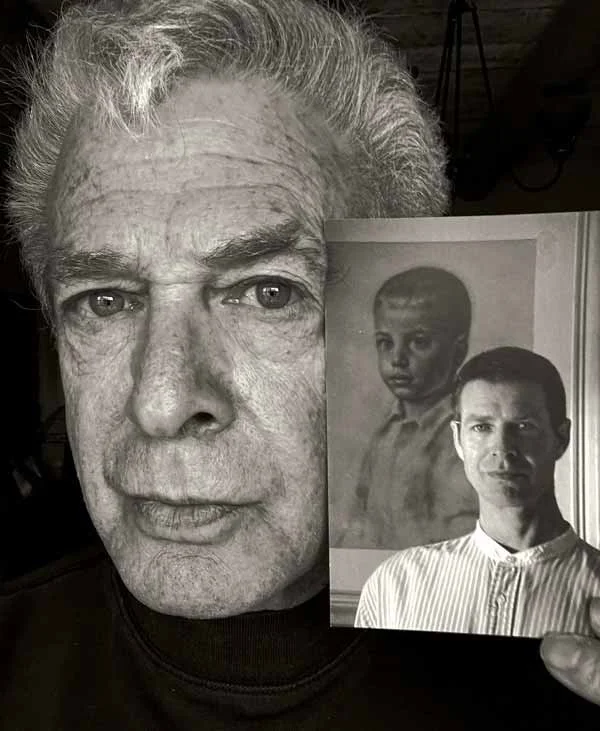
James A. Greenberg
James Allan Greenberg was born in Los Angeles, California on March 23, 1954. There he studied photography at Art Center College of Design from 1972-75. He moved to Paris in 1976 where he won awards for his fashion photography, which appeared in Vogue, Elle, Votre Beauté, and L’Officiel. His work was also featured contemporaneously in Zoom, “Le Magazine de L’image”.
He returned to Los Angeles in 1982, and purchased from his cousin a Spanish-Colonial Revival villa by the sea built in 1926 and designed by landmark architect Paul Revere Williams. This sparked an interest in architectural design, a discipline he honed for the next twenty-four years in renovating and improving that property.
This book represents the confluence of these two abiding interests.
Photo: James A. Greenberg
As you peruse James Greenberg’s photos, you may experience the sensation of being an outsider viewing something deeply intimate, akin to peeping through a keyhole. The photographer gives us glimpses into his vision for his home and makes us part of this undertaking. Greenberg’s images celebrate the delicate balance between the natural environment and the materials used to construct the house. Through his lens he captures the building process, which involves, he observes, the principles of destruction, obsession, surrender, and chance. His work acknowledges the interdependence of all elements of the project, not just human labor. The wisdom with which these elements are combined in a single unified structure gives rise to Greenberg’s vision, a delicate choreography in which the sum of the parts is greater than the whole.
— Andreas Theodoridis, Lefteris Vergerakis, Penny Chorafa, Center for Mediterranean Architecture, Chania, Crete
Since the dawn of Western civilization, the Aegean Sea has inspired poets, writers, philosophers, artists, architects, photographers, travelers. No wonder the author has chosen Patmos, an island in the Dodecanese chain in the eastern Aegean Sea, to build a home to house his dreams. Through these photographs, not only the workers’ physical labor has been captured, but also their emotional connection to the materials they use and the environment in which they work. The intense heat of the Mediterranean sun can be felt in every shot…Greenberg’s collection of pictures and essays is a beautiful tribute to the workers who build our homes and the world around us. It captures their passion for their craft, as well as their devotion to preserving the cultural heritage of the places they work in. It is a poignant reminder of the value of hard work, sustainability, and cultural preservation, and a testament to the enduring human spirit.
— Dinos Siotis, President of the Greek Society of Poets
Whoever wants to make architecture must dedicate himself to the built project. In this way, even the most soul-less material becomes a voice in an exceptional symphony, and every space gains body and soul, through spiritual meaning, in a poetic elevation.
— Aris Konstantinidis